
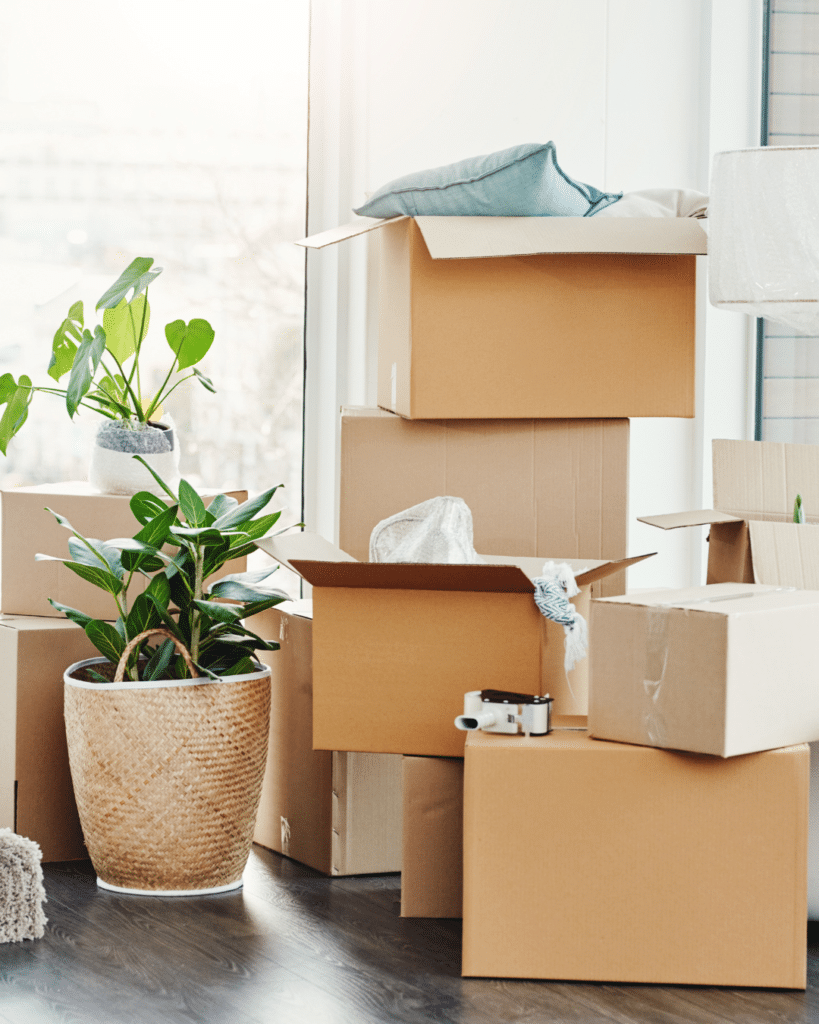
Packing up a small apartment presents a unique challenge: you have a lot of stuff, not a lot of room to work with, and every box counts. The good news is that with a few smart strategies, you can pack more efficiently, protect your belongings without buying a ton of extra supplies, and make the whole process far less overwhelming. Here are the techniques that actually work.
Start with a Packing Schedule and a Moving Checklist
Before you touch a single cardboard box or roll of packing tape, take an hour to build a simple packing schedule. Working backward from your move-out date, assign rooms or categories to specific days. A written moving checklist keeps the relocation process from feeling chaotic and ensures nothing gets left behind or forgotten.
While you are planning, apply the one-year rule: if you have not used something in the past year, seriously consider whether it needs to make the move at all. Donating items to a local donation center before packing means fewer boxes, less time, and potentially a cleaner apartment for your move-out inspection, which can protect your security deposit.
Make Every Box Count
The biggest mistake people make when packing a small apartment is leaving dead space inside cardboard boxes. Every gap is wasted capacity, and in a small move, wasted capacity means extra boxes and extra trips.
The nesting method: Think of your pots and pans and mixing bowls as containers within containers. Tuck smaller items like spices, toiletries, or rolled socks inside them before placing them in a box. You are essentially packing two layers at once without using any additional boxes.
Vacuum-sealed bags for bulky items: Coats, comforters, pillows, and chunky sweaters take up a disproportionate amount of space. Vacuum-sealed bags compress them down dramatically and are widely available and inexpensive. For clothing on hangers, wardrobe boxes are one of the most underused packing supplies in an apartment move. A wardrobe box lets you transfer hanging clothes directly without folding, which saves time and keeps garments wrinkle-free.
Fill every gap: Once a box is mostly packed, use t-shirts, dish towels, or socks to fill any remaining corners and crevices. This prevents items from shifting during transport and eliminates wasted space at the same time. Always seal boxes fully with quality packing tape so they hold their shape when stacked.
Use the Furniture and Containers You Already Have
One of the most overlooked packing resources in any apartment is the furniture and storage containers you are already moving. Put them to work before you start pulling boxes off a shelf.
Leave clothes in your dresser drawers: Rather than emptying your dresser into boxes, keep the clothes right where they are and wrap stretch plastic wrap tightly around each drawer to hold it shut. The dresser moves as a unit, the clothes travel inside it, and you save a significant amount of box space.
Pack heavy items in rolling luggage: Books, shoes, and other dense items are much easier to manage when loaded into a rolling suitcase. Instead of straining to carry a heavy box, you simply roll it out. It also frees up your cardboard boxes for lighter, bulkier items.
Use reusable bins and Rubbermaid bins: These are ideal for pots and pans, loose pantry items, and anything oddly shaped. Rubbermaid bins are sturdier than cardboard boxes, stack cleanly in a moving truck, and double as storage space in your new place. Hampers and laundry baskets work the same way and are containers you are moving regardless.
Pack an essentials bag: Set aside a separate bag or small box with everything you will need on your first night, including toiletries, chargers, a change of clothes, and any important documents. This bag stays with you, not in the truck, so you are not tearing through boxes at midnight looking for your toothbrush.
Protect Fragile Items Without the Extra Bulk
Bubble wrap and specialty packing foam add volume and cost. In a small apartment move, it pays to use what you already have.
Wrap glasses in socks: A clean sock slipped over a drinking glass provides solid cushioning and takes up zero extra space in the box.
Use oven mitts for plates: Slide delicate plates inside oven mitts before stacking them. It works well and keeps the mitts accessible rather than buried.
Use moving blankets and bedding as padding in the truck: Moving blankets are one of the most practical packing supplies professional movers bring on every job. If you are not working with a moving company, use your own blankets, throw pillows, and towels to cushion artwork, mirrors, and larger fragile items in the truck. Drape them over pieces rather than packing them separately.
Label fragile boxes clearly: Any box with fragile items should be labeled on the top and at least two sides. A simple labeling formula works well: room name, contents summary, and handling notes such as “fragile” or “this side up.” This is especially important when moving through a freight elevator or tight hallways in city apartment buildings where boxes get stacked quickly and handling can be rushed.
Load the Truck Smarter
How you load the moving truck is just as important as how you pack the boxes. A thoughtful loading approach means fewer trips and less risk of damage, whether you are working with professional movers or managing a truck rental yourself.
Heavy items go on the floor, boxes go on top. Load large furniture and heavy dressers directly onto the truck floor first, then stack boxes on top of them. Couches can often be stood on their ends vertically, which opens up significant floor space alongside them.
Group odd-shaped items in reusable bins. Loose items rolling around the truck floor make it nearly impossible to stack efficiently and increase the risk of damage. Rubbermaid bins and similar reusable bins keep irregular items contained so they can be stacked cleanly.
Know your loading zone. If you are moving into or out of city apartment buildings, confirm your designated loading zone with the property manager before moving day. Many buildings have strict rules about where trucks can park and for how long, and arriving without that information can delay your entire move.
Before You Leave: A Few Final Checks
Before handing over your keys, do a walkthrough of the apartment with your moving checklist in hand. Check wall space for any hooks, shelving, or mounted items you may have overlooked. Check that utility meters have been noted or transferred. Take photos of the apartment’s condition to protect your security deposit. Make sure all natural light sources like windows and skylights are closed and locked.
Frequently Asked Questions
How far in advance should I start packing for an apartment move?
For a typical one or two-bedroom apartment, starting two to three weeks out gives you enough time to pack methodically without rushing. Use a packing schedule and begin with items you use least often, working toward your essentials last.
Should I use small boxes or large boxes for most of my belongings?
A mix of both works best. Small cardboard boxes are ideal for heavy items like books and pots and pans, since they stay manageable to carry. Large boxes work well for lightweight, bulky items like bedding and pillows. Wardrobe boxes are worth adding for any hanging clothing.
Is it worth buying specialty packing supplies for a small move?
Not always. Many of the best packing hacks use items you are already moving, including towels, socks, and clothing. That said, a few targeted purchases, such as vacuum-sealed bags, a wardrobe box or two, quality packing tape, and Rubbermaid bins, can make a meaningful difference in how efficiently you pack.
What is the best way to pack kitchen items for an apartment move?
Nest smaller items inside pots and pans and mixing bowls, wrap glasses in dish towels or socks, and use oven mitts to protect plates. Pack heavier kitchen items in smaller boxes to keep them manageable, and load them onto the truck early since they are among the heaviest items in most apartments.
How do I keep boxes from shifting or collapsing in the truck?
Fill every cardboard box completely so the top does not cave in when stacked. If a box is not full, use soft items like clothing or towels to fill the remaining space before sealing it with packing tape. Load the heaviest boxes on the bottom and lighter ones on top, and use moving blankets to cushion anything that cannot be fully secured.
Let The Move Caddies Handle the Heavy Lifting
Smart packing hacks make a big difference, but having an experienced moving company alongside you makes the entire house move easier from start to finish. At The Move Caddies, we specialize in apartment moves throughout Fort Collins, Boulder, and the surrounding Colorado front range. We bring the right packing supplies and moving services, handle the heavy lifting, and work efficiently to protect your belongings and your building.
Whether you need full packing assistance or just a reliable crew to load and transport your boxes, we offer flexible options to fit your needs and your budget.
Contact The Move Caddies today for a free quote on your apartment move.