
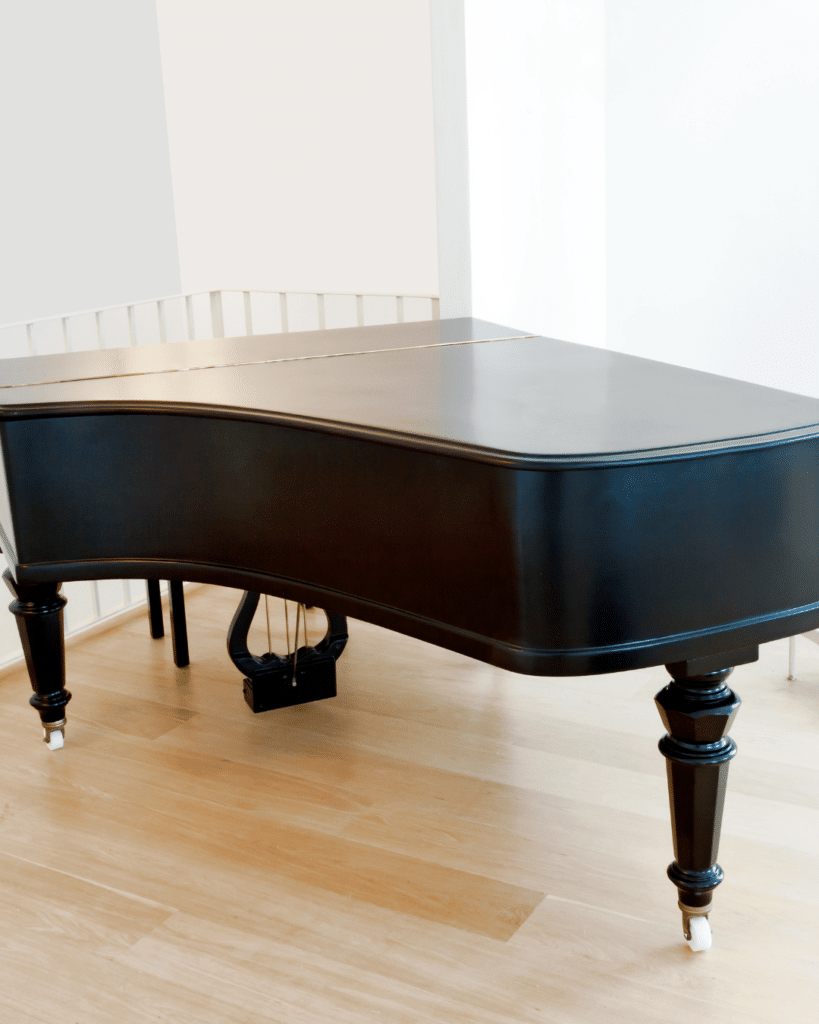
Moving a piano is not like moving a couch. These instruments can weigh anywhere from 300 to over 1,000 pounds, contain thousands of delicate internal components, and have finished exteriors that scratch easily. One wrong move, literally, can result in serious injury, structural damage to the instrument, or costly repairs.
Whether you are planning a local move in Fort Collins or relocating across Colorado, understanding what tends to go wrong is the first step toward making sure it does not.
Mistake 1: Not Measuring the Route Beforehand
One of the most avoidable problems in piano moving is discovering mid-move that the instrument does not fit through a doorway, around a corner, or down a stairwell. People regularly underestimate how much clearance is needed, especially when a piano is padded and on a dolly.
How to avoid it: Measure the piano’s full dimensions, including any protrusions, and compare them against every doorway, hallway, and turn along the route. For grand pianos, factor in the dimensions both with and without the legs attached. A few minutes of measuring can prevent hours of problem-solving.
Mistake 2: Using a Standard Furniture Dolly
Regular flat dollies are not built for the concentrated weight of a piano. They lack the securing mechanisms needed to keep the instrument stable, and they can tip, shift, or damage flooring in ways that a proper piano dolly will not.
How to avoid it: Always use a heavy-duty piano dolly for upright pianos or a padded piano skid board for grand pianos. These are purpose-built tools designed around how pianos are shaped and weighted. Do not substitute general moving equipment.
Mistake 3: Tipping an Upright Piano onto Its Back or Side
It seems like it might make things easier, but laying an upright piano on its back or side places serious stress on the internal action, can warp the soundboard, and may cause oil from the mechanism to spill in ways that affect performance.
How to avoid it: An upright piano should remain in its natural, vertical playing position throughout the entire move. There is no shortcut here. The instrument was designed to be upright, and moving it any other way creates real risk of internal damage.
Mistake 4: Lifting a Grand Piano by Its Legs
This one surprises many people. A grand piano’s legs are decorative attachments, not structural load-bearing components. Lifting or applying pressure to the legs during a move can cause them to snap off entirely, which is both dangerous and expensive.
How to avoid it: Grand pianos must be partially disassembled before moving. The lid, lyre, and pedal assembly should be carefully removed and wrapped separately. The piano body then needs to be lowered onto its side on a specialized piano board before it can be transported. This process requires experience to do safely.
Mistake 5: Skipping Protective Wrapping
An unwrapped piano moving through a doorway, into a truck, or down a hallway is one bump away from a gouge, scratch, or dent. Exterior finish damage happens fast and can be difficult or impossible to fully restore.
How to avoid it: Wrap the entire instrument in thick, quilted moving blankets and secure them with stretch wrap. One critical rule: never apply packing tape directly to the piano’s wood or lacquer finish. Even briefly applied tape can pull off finish when removed.
Mistake 6: Letting a Piano Roll on Its Own Casters
The small wheels on the bottom of many pianos look functional, but they are largely decorative. Using them to roll a piano across a room puts uneven stress on the instrument, risks tipping, and can cause real damage to hardwood floors.
How to avoid it: Use a proper piano dolly for all movement, even short distances inside a home. The piano’s own casters are not a substitute for purpose-built moving equipment.
Mistake 7: Not Bringing Enough People
A standard upright piano requires a minimum of three people to move safely. A grand piano typically needs four or more, and any move involving staircases warrants additional hands. Attempting a piano move with too small a crew leads to fatigue, loss of control, and a higher chance of injury.
How to avoid it: Staff the move appropriately for the size of the instrument and the complexity of the route. If stairs are involved, err on the side of more people rather than fewer.
Mistake 8: Leaving a Piano in an Uncontrolled Climate
Pianos are highly sensitive to temperature and humidity. Leaving an instrument in a hot moving truck for hours, or storing it in an unheated garage, can crack the soundboard and throw the tuning off significantly. These are not minor issues.
How to avoid it: Move the piano into a climate-controlled environment as directly as possible. Once it arrives at its destination, give it two to four weeks to acclimate to the new space before scheduling a tuning appointment.
Mistake 9: Failing to Secure the Piano in the Truck
A piano that shifts during transit can damage itself, damage the truck interior, and potentially shift into other items being transported. Even what feels like a smooth drive will involve bumps, turns, and stops that move unsecured cargo.
How to avoid it: Strap the piano securely to the truck’s interior walls using heavy-duty ratchet straps. It should have no movement whatsoever during transit.
Frequently Asked Questions
Can I move an upright piano without professional movers?
It is possible in limited circumstances, such as a very short move on a single level with plenty of helpers, but the risks are significant. Without proper equipment and technique, the chance of personal injury or damage to the instrument is high. For most moves, professional piano movers are the safer and more cost-effective choice when you factor in the potential cost of repairs.
How many people does it take to move a piano?
An upright piano requires at least three people. A grand piano typically needs four or more, and stairs will require additional help beyond that. Piano moving is not a two-person job under any normal circumstances.
Why can’t I just use my piano’s wheels to roll it into the truck?
The casters on most pianos are decorative rather than functional for moving purposes. Using them risks tipping the instrument, damaging flooring, and putting uneven stress on the piano’s structure. A proper piano dolly is always the right tool for the job.
How soon after a move can I have my piano tuned?
Wait at least two to three weeks after the move before scheduling a tuning. This gives the wood time to acclimate to the temperature and humidity of the new space. Tuning too soon means the piano is likely to go out of tune again quickly as it continues to settle.
Does moving a piano always damage the tuning?
Nearly always, yes. Even a carefully executed move will affect tuning to some degree. Plan for a tuning appointment after every move, regardless of how short the distance was.
What is the difference between a piano dolly and a skid board?
A piano dolly is a wheeled platform used primarily for upright pianos. A skid board is a padded flat board used to transport grand pianos on their sides after disassembly. Each is designed for a specific type of piano and is not interchangeable with the other.
Leave the Piano Moving to the Professionals
Every mistake on this list is avoidable, and the most reliable way to avoid all of them at once is to hire experienced piano movers. At The Move Caddies, our team in Fort Collins and Boulder, CO has the specialized equipment, training, and technique to handle every type of piano safely, from compact spinets to full concert grands.
We are fully licensed and insured, and we bring the right tools to every job: proper piano dollies, padded skid boards, heavy-duty blankets, and the crew size the job requires.
Get a free quote from The Move Caddies today and trust your piano to a team that knows how to move it right.